Bitcoin
is a revolutionary digital currency that has transformed the way we think about money and transactions. Launched in 2009 by an anonymous entity known as Satoshi Nakamoto, Bitcoin operates on a decentralized network, allowing users to send and receive payments without the need for intermediaries like banks or financial institutions. This independence from traditional financial systems is one of the key factors that has contributed to its growing popularity and significance in the global economy. The importance of Bitcoin extends beyond its role as a currency. It represents a shift towards a more democratized financial system, where individuals have greater control over their assets.
With Bitcoin, users can conduct transactions with lower fees and faster processing times compared to conventional banking methods. Additionally, the anonymity and security provided by blockchain technology make it an attractive option for those seeking privacy in their financial dealings. As Bitcoin continues to gain traction, it has also sparked interest in the broader cryptocurrency landscape. The rise of Bitcoin has paved the way for thousands of alternative cryptocurrencies, each with unique features and use cases. This burgeoning ecosystem has led to innovations in various sectors, including finance, supply chain management, and even art through non-fungible tokens (NFTs).
Understanding Bitcoin is crucial for anyone looking to navigate this rapidly evolving space. Mining plays a vital role in maintaining the integrity and functionality of the Bitcoin network. It is through mining that new bitcoins are created and transactions are verified, ensuring that the system remains secure and operational. As we delve deeper into the world of Bitcoin mining equipment and hardware, it becomes essential to grasp not only what Bitcoin is but also why it matters in today’s digital economy. Understanding Bitcoin is crucial for anyone looking to navigate this rapidly evolving space. Mining plays a vital role in maintaining the integrity and functionality of the Bitcoin network. It is through mining that new bitcoins are created and transactions are verified, ensuring that the system remains secure and operational. As we delve deeper into the world of Bitcoin mining equipment and hardware, it becomes essential to grasp not only what Bitcoin is but also why it matters in today’s digital economy. equipment and hardware, it becomes essential to grasp not only what Bitcoin is but also why it matters in today’s digital economy. Understanding Bitcoin is crucial for anyone looking to navigate this rapidly evolving space. Mining plays a vital role in maintaining the integrity and functionality of the Bitcoin network. It is through mining that new bitcoins are created and transactions are verified, ensuring that the system remains secure and operational. As we delve deeper into the world of Bitcoin mining equipment and hardware, it becomes essential to grasp not only what Bitcoin is but also why it matters in today’s digital economy.
The Basics of Bitcoin Mining
Bitcoin mining is a fundamental process that underpins the entire Bitcoin network. At its core, bitcoin mining involves verifying and adding transactions to the public ledger known as the blockchain.This process is essential for maintaining the integrity and security of the Bitcoin ecosystem. To understand how bitcoin mining works, it’s important to grasp the concept of the blockchain. The blockchain is a decentralized digital ledger that records all transactions made with Bitcoin. Each transaction is grouped into a block, and these blocks are linked together in chronological order, forming a chain. Once a block is added to the blockchain, it cannot be altered or deleted, ensuring that all transaction data remains secure and transparent. The mining process begins when a user initiates a transaction.
This transaction is broadcasted to the network, where miners compete to verify it by solving complex mathematical problems. These problems require significant computational power and are designed to be difficult to solve but easy to verify once solved. Miners use specialized hardware to perform these calculations, and the first miner to solve the problem gets to add the new block of transactions to the blockchain. In return for their efforts, miners are rewarded with newly created bitcoins as well as transaction fees from the transactions included in the block they mined. This reward system not only incentivizes miners to participate in the network but also regulates the issuance of new bitcoins, making it a deflationary currency. The mining process can be broken down into several key steps:
- Transaction Verification: Miners collect pending transactions from the network and verify their authenticity.
- Block Creation: Verified transactions are grouped into a block.
-
Hashing: Miners compete to find a hash that meets specific criteria set by the Bitcoin protocol.
This involves changing a small piece of data in the block until they find a valid hash.
- Block Addition: Once a miner finds a valid hash, they broadcast their solution to the network. Other miners verify this solution before adding the new block to their copy of the blockchain.
- Reward Distribution: The successful miner receives their reward in bitcoins and transaction fees.
Types of Bitcoin Mining Equipment
When it comes to bitcoin mining, the choice of equipment is crucial for success. Different types of mining hardware offer varying levels of efficiency, cost, and performance.Below, we will explore the three primary types of mining equipment: ASIC miners , GPU miners , and CPU miners .
ASIC Miners
Application-Specific Integrated Circuit (ASIC) miners are specialized devices designed exclusively for the purpose of mining cryptocurrencies, particularly bitcoin. These machines are built to perform a single task—solving complex mathematical problems that validate transactions on the blockchain.-
Advantages:
- High Efficiency: ASIC miners are known for their superior hash rates, meaning they can solve equations much faster than other types of hardware.
- Energy Efficiency: They consume less power relative to their output, making them more cost-effective in terms of electricity usage.
- Compact Design: Many ASIC miners have a small footprint, allowing for easier setup and management.
-
Disadvantages:
- High Initial Cost: The upfront investment for ASIC miners can be significant, often ranging from hundreds to thousands of dollars.
- Lack of Versatility: These devices can only mine specific cryptocurrencies, limiting their use if you decide to switch to another coin.
- Short Lifespan: As technology advances, older models may become obsolete quickly, requiring frequent upgrades.
GPU Miners
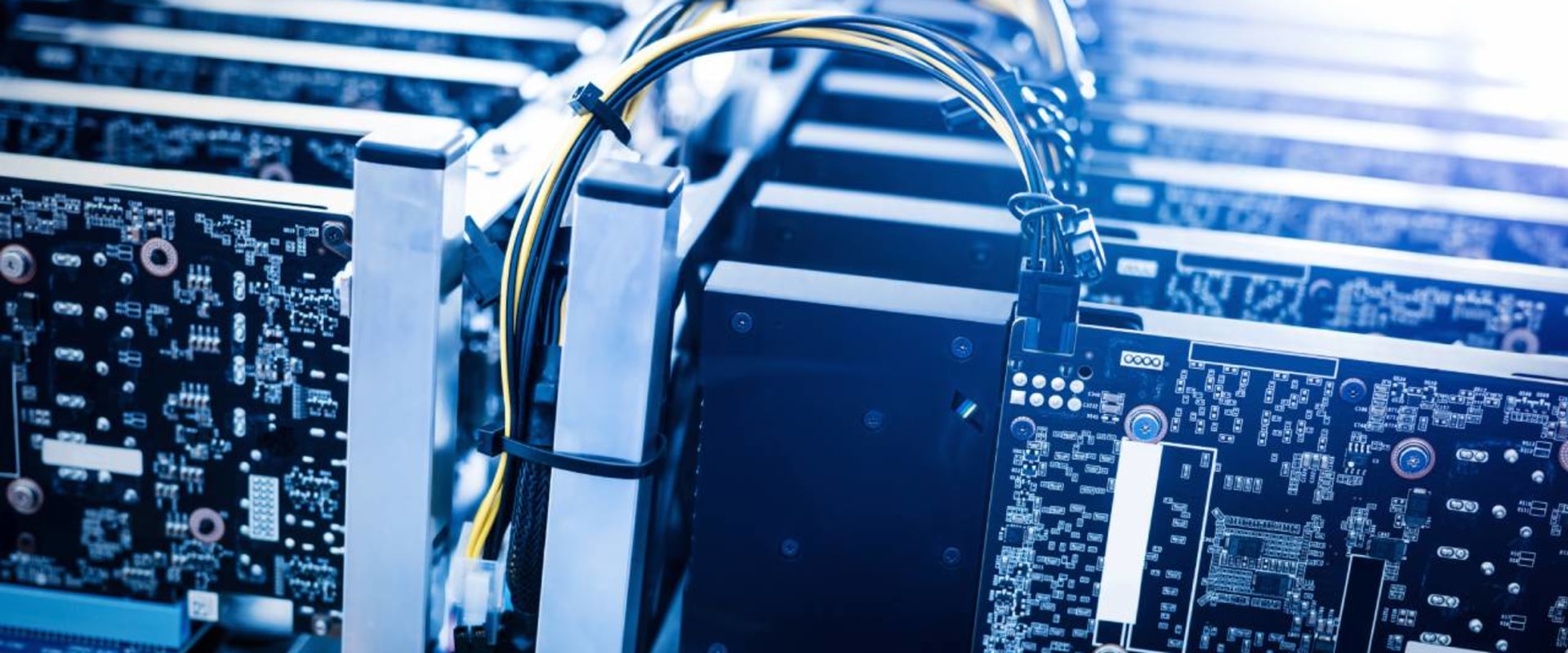
Graphics Processing Units (GPUs) are commonly used in gaming computers but can also be repurposed for bitcoin mining. They are versatile and can mine various cryptocurrencies beyond just bitcoin.-
Advantages:
- Flexibility: GPUs can mine multiple cryptocurrencies, allowing miners to switch based on market conditions.
- Resale Value: If you decide to stop mining, GPUs can still be sold as gaming hardware.
- Easier to Obtain: Compared to ASICs, GPUs are generally more accessible and come in a variety of models and price ranges.
-
Disadvantages:
- Lower Efficiency: While GPUs are powerful, they typically have lower hash rates compared to ASIC miners.
- Higher Power Consumption: They tend to consume more electricity than ASICs for the same amount of work done.
- Cooling Requirements: Mining with GPUs generates significant heat, necessitating effective cooling solutions to prevent overheating.
CPU Miners
Centrally Processing Units (CPUs) are the standard processors found in most computers. While not commonly used for serious bitcoin mining due to their low efficiency, they can still be utilized by beginners looking to experiment with mining.-
Advantages:
- No Additional Investment: Most users already have a computer with a CPU, making it an easy entry point into bitcoin mining.
- Simplicity: Setting up CPU mining is straightforward and requires minimal technical knowledge.
-
Disadvantages:
- Poor Performance: CPUs have significantly lower hash rates compared to both ASICs and GPUs, making them inefficient for serious mining efforts.
- Lack of Profitability: Given the current difficulty levels in bitcoin mining, CPU mining is unlikely to yield any substantial profits.
- Potential Hardware Damage: Continuous high-load operations can lead to overheating and damage over time.
Choosing the Right Mining Hardware
When it comes to bitcoin mining, selecting the right hardware is crucial for maximizing your efficiency and profitability.With a variety of options available, it can be overwhelming for beginners to determine which equipment best suits their needs. Here are some key factors to consider when choosing your mining hardware:
- Efficiency: The efficiency of mining hardware is typically measured in hash rate, which indicates how many calculations the device can perform per second. Higher hash rates generally lead to better chances of successfully mining bitcoins. Look for equipment that offers a good balance between hash rate and power consumption.
-
Cost: Your budget will play a significant role in your decision-making process.
ASIC miners, while highly efficient, can be quite expensive. On the other hand, GPUs may be more affordable but might not yield the same level of performance. Consider both the initial investment and ongoing operational costs, such as electricity.
-
Longevity: The lifespan of your mining hardware is another important factor. ASIC miners are designed specifically for bitcoin mining and often have a longer lifespan compared to general-purpose hardware like GPUs.
However, technology evolves rapidly, so ensure that your chosen equipment has a good track record for durability.
- AISC Miners: These are purpose-built machines that offer the highest efficiency and hash rates. They are ideal for serious miners looking to maximize their returns.
- GPUs: While not as efficient as ASICs, GPUs are versatile and can be used for other tasks beyond mining. They are suitable for beginners who want to experiment with different cryptocurrencies.
-
FPGA Miners: Field-Programmable Gate Arrays (FPGAs) offer a middle ground between ASICs and GPUs in terms of efficiency and flexibility.
They require more technical knowledge but can be customized for various mining algorithms.
Setting Up Your Bitcoin Wallet
When you embark on your journey into the world of bitcoin mining, one of the first and most crucial steps is setting up a bitcoin wallet. This digital wallet serves as a secure storage solution for your mined bitcoins, allowing you to send, receive, and manage your cryptocurrency effectively. Without a reliable wallet, your mined coins could be vulnerable to theft or loss. There are several types of bitcoin wallets available, each with its own unique features and security levels.Understanding these options will help you choose the best wallet for your needs:
- Online Wallets: These wallets are hosted on the cloud and can be accessed from any device with an internet connection. While they offer convenience, they are also more susceptible to hacking.
- Desktop Wallets: Installed on your personal computer, desktop wallets provide greater control over your private keys. They are generally more secure than online wallets but can be vulnerable if your computer is compromised.
- Mobile Wallets: Designed for smartphones, mobile wallets allow for easy transactions on the go. They are user-friendly but should be secured with strong passwords and two-factor authentication.
-
Hardware Wallets: These physical devices store your bitcoins offline, making them one of the most secure options available.
They are ideal for long-term storage but can be more expensive than other wallet types.
- Paper Wallets: A paper wallet is a physical printout of your bitcoin address and private key. While it is immune to online threats, it can be easily lost or damaged.
- Choose Your Wallet Type: Decide which type of wallet best suits your needs based on factors like security, convenience, and how often you plan to use it.
- Create Your Wallet: For online and mobile wallets, visit the provider's website or download the app. For hardware wallets, purchase from a reputable manufacturer and follow their setup instructions.
- Secure Your Wallet: Set a strong password and enable two-factor authentication if available. For hardware wallets, ensure that you keep the device in a safe place.
-
Backup Your Wallet: Most wallets will provide you with a recovery phrase or seed.
Write this down and store it in a secure location; it will allow you to recover your wallet if you lose access.
- Add Funds: Once your wallet is set up, you can start receiving bitcoins from mining or other sources by sharing your wallet address.
Joining a Mining Pool: Pros and Cons
When venturing into the world of bitcoin mining, one of the first decisions you will face is whether to mine solo or join a mining pool. A mining pool is a collective of miners who combine their computational resources to increase the chances of successfully mining bitcoins. This collaborative approach has gained popularity, especially among beginners, due to its potential benefits.Benefits of Joining a Mining Pool
-
Increased Probability of Earning Rewards: By pooling resources with other miners, you significantly enhance your chances of solving complex mathematical problems and earning bitcoin rewards.
In solo mining, the odds of successfully mining a block are low, especially for those with limited hardware.
- Steady Income Stream: Mining pools distribute rewards among members based on their contributed computational power. This means that even if you don’t mine a block yourself, you can still earn a share of the rewards, leading to more consistent payouts.
- Lower Variance: Mining pools help mitigate the volatility associated with solo mining. Instead of waiting long periods for a potential payout, miners in a pool receive smaller, more frequent payments, which can be easier to manage financially.
- Access to Resources and Support: Many mining pools offer additional resources such as tutorials, forums, and technical support. This can be particularly beneficial for beginners who may need guidance on optimizing their mining setup.
Mining Pool vs.
Solo Mining While joining a mining pool has its advantages, it’s essential to weigh these against the potential downsides:
- Pooled Fees: Most mining pools charge a fee for their services, typically ranging from 1% to 3% of your earnings. This fee can eat into your profits over time.
- Less Control: When you join a pool, you relinquish some control over your mining operations. The pool operator dictates the rules and payout structure, which may not always align with your preferences.
- Dependence on Pool Performance: Your earnings are tied to the performance of the pool as a whole. If the pool experiences downtime or inefficiencies, it can affect your income.
It offers numerous benefits such as increased earning potential and reduced variance in payouts. However, it’s crucial to consider the associated fees and loss of control before making your decision. By carefully evaluating these factors, you can choose the best approach that aligns with your goals in bitcoin mining.
Electricity Costs and Profitability in Bitcoin Mining
When venturing into bitcoin mining, understanding the financial implications is crucial, particularly regarding electricity costs and overall profitability. Mining operations require substantial energy, and the cost of electricity can significantly impact your bottom line. Electricity consumption in bitcoin mining varies based on the type of hardware used, the efficiency of that hardware, and the local electricity rates.For instance, ASIC miners are designed for maximum efficiency and typically consume less power per hash compared to other mining setups. However, they still require a considerable amount of electricity to operate effectively. To assess the profitability of your mining operation, you need to calculate your potential earnings against your electricity costs. Here’s a simplified approach to calculating your mining profits:
- Determine Your Hash Rate: This is the speed at which your mining hardware can solve cryptographic puzzles. It is usually measured in hashes per second (H/s).
- Calculate Your Daily Earnings: Use a mining profitability calculator to estimate how much bitcoin you can earn daily based on your hash rate and current bitcoin prices.
- Estimate Your Electricity Costs: Multiply your hardware's power consumption (in kilowatts) by your local electricity rate (per kilowatt-hour) and the number of hours you mine each day.
- Calculate Net Profit: Subtract your estimated daily electricity costs from your daily earnings to determine your net profit.
As bitcoin prices fluctuate and mining difficulty increases, staying informed about these factors will help you make better decisions regarding your mining operations. In conclusion, understanding electricity costs and their impact on bitcoin mining profitability is essential for anyone looking to engage in this venture. By carefully calculating potential profits and managing energy consumption, miners can create sustainable operations that maximize their returns.
Maintaining Your Mining Equipment for Longevity
Maintaining your mining equipment is essential for ensuring its longevity and optimizing performance. Just like any other high-performance machinery, mining hardware requires regular upkeep to function efficiently and effectively. Here are some practical tips to help you keep your mining rigs in top shape.Regular Cleaning
Dust and debris can accumulate quickly in mining rigs, leading to overheating and reduced efficiency.Regularly cleaning your equipment is crucial. Here are some steps to follow:
- Turn Off and Unplug: Always ensure that your mining hardware is powered down and unplugged before cleaning.
- Use Compressed Air: Utilize compressed air to blow out dust from fans, heat sinks, and other components. This helps prevent overheating.
- Wipe Surfaces: Use a microfiber cloth to wipe down surfaces and remove any remaining dust or grime.
Keeping Miners Cool
Heat is one of the biggest enemies of mining hardware. High temperatures can lead to hardware failure and decreased performance.Here are some strategies to keep your miners cool:
- Optimal Placement: Position your mining rigs in a well-ventilated area. Avoid placing them in enclosed spaces where heat can build up.
- Cooling Systems: Consider investing in additional cooling solutions such as fans or air conditioning units to maintain a stable temperature.
- Monitor Temperatures: Use software tools to monitor the temperature of your mining hardware. If temperatures exceed safe levels, take immediate action to cool them down.
Software Updates
Keeping your mining software up to date is just as important as maintaining the physical hardware. Software updates often include performance improvements and security patches that can enhance your mining efficiency.Regularly check for updates from your mining software provider and apply them promptly.
Hardware Checks
Perform routine checks on your mining equipment to identify any potential issues before they escalate:- Cable Management: Ensure that all cables are securely connected and not damaged. Poor cable management can lead to connectivity issues.
- Inspect Components: Regularly inspect components such as power supplies, fans, and circuit boards for signs of wear or damage.
<strong>Conclusion</strong>
As we conclude this comprehensive guide on Bitcoin mining, it is essential to reflect on the critical aspects that have been discussed. Understanding Bitcoin mining is not just about acquiring the right equipment; it encompasses a broader spectrum of knowledge that includes technical, financial, and operational considerations.Summary of Bitcoin Mining
Bitcoin mining is the process through which new bitcoins are created and transactions are verified on the blockchain.
This process requires specialized hardware, primarily ASIC miners, which are designed specifically for this purpose. While GPUs can also be used, they are generally less efficient for Bitcoin mining compared to ASICs. The mining process involves solving complex mathematical problems, and miners are rewarded with bitcoins for their efforts.
Moreover, the profitability of mining is influenced by several factors, including electricity costs, the current price of Bitcoin, and the efficiency of the mining hardware. Therefore, it is crucial for miners to monitor these variables closely to ensure that their operations remain profitable.
Key Takeaways from the Guide
- Choose the Right Equipment: Selecting efficient and reliable mining hardware is fundamental to your success in Bitcoin mining.
- Join a Mining Pool: Collaborating with other miners can enhance your chances of earning rewards consistently.
- Manage Your Costs: Keep a close eye on electricity expenses and other operational costs to maintain profitability.
- Stay Informed: The cryptocurrency landscape is ever-evolving; staying updated on market trends and technological advancements is vital.
- Regular Maintenance: Proper upkeep of your mining equipment will prolong its lifespan and ensure optimal performance.
By understanding the technical aspects and practical considerations involved, you can navigate this complex landscape more effectively. Whether you are a beginner or looking to refine your existing knowledge, this guide serves as a valuable resource in your Bitcoin mining journey. With dedication and informed decision-making, you can position yourself for success in this exciting field.