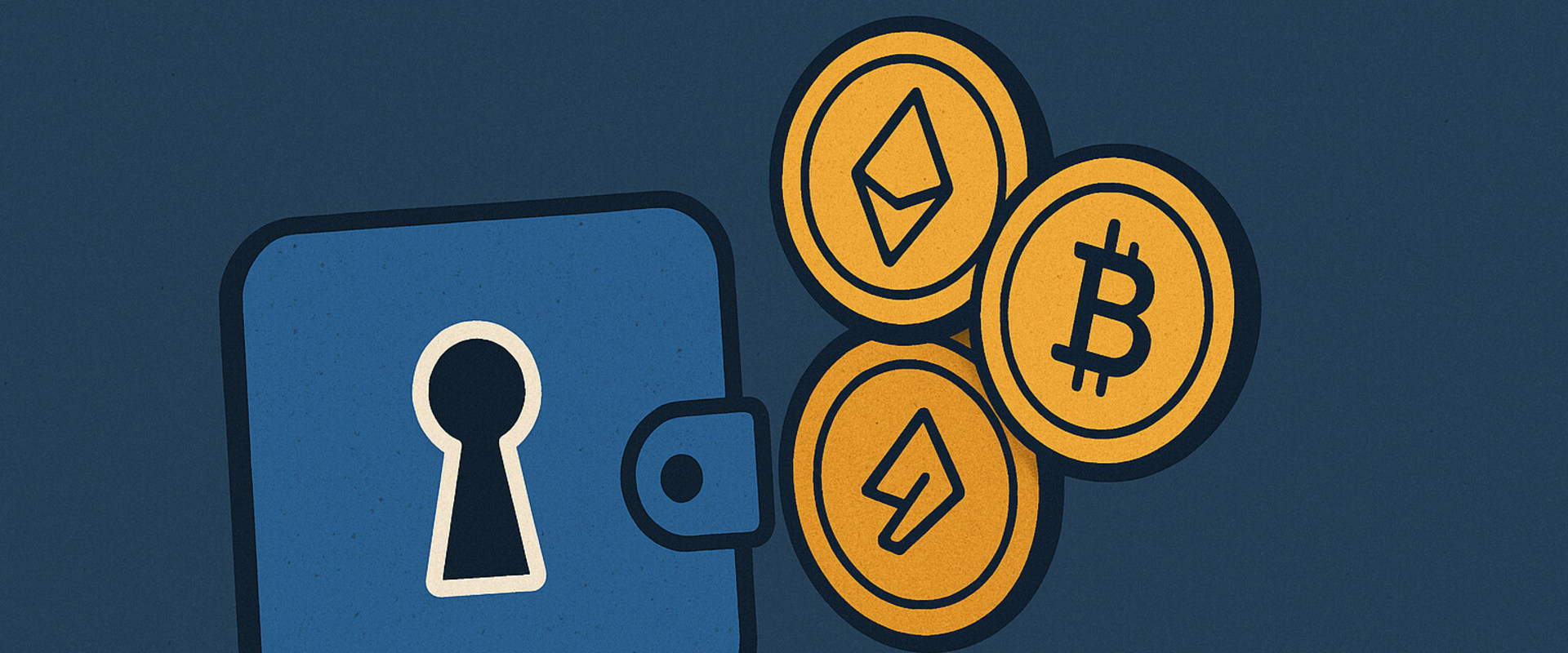
Bitcoin, often referred to as the first cryptocurrency, was introduced in 2009 by an anonymous entity known as Satoshi Nakamoto. It operates on a decentralized network using blockchain technology, which ensures that transactions are secure, transparent, and immutable. Unlike traditional currencies issued by governments, Bitcoin is not controlled by any central authority, making it a revolutionary form of digital money. This independence from centralized control is one of the key factors that contribute to its growing popularity among investors and users alike. The significance of Bitcoin in the financial landscape cannot be overstated.
As the pioneer of cryptocurrencies, it has paved the way for thousands of other digital currencies and has sparked a global movement towards decentralized finance. Bitcoin's limited supply—capped at 21 million coins—creates scarcity, which can drive demand and potentially increase its value over time. This unique economic model has attracted both individual investors and institutional players, further solidifying Bitcoin's position as a legitimate asset class. For newcomers to the world of cryptocurrency, understanding the basics of Bitcoin is crucial. It serves not only as a medium of exchange but also as a store of value and a hedge against inflation.
Many view Bitcoin as "digital gold," appreciating its potential to preserve wealth in uncertain economic times. However, with this opportunity comes the responsibility of managing and tracking your investments effectively. This is where wallet management and tracking tools become essential. Effective wallet management ensures that your Bitcoin is stored securely while allowing you to access it easily when needed. Tracking tools help you monitor price fluctuations, assess your portfolio's performance, and make informed decisions about buying or selling.
Whether you are just starting your journey into cryptocurrency or are an experienced investor looking to optimize your strategy, understanding Bitcoin's importance and utilizing the right tools will empower you to navigate this exciting yet complex landscape.
What is a Bitcoin Wallet?
A Bitcoin wallet is a digital tool that allows users to store, send, and receive Bitcoin. Unlike a traditional wallet that holds physical currency, a Bitcoin wallet stores the cryptographic keys necessary to access your Bitcoin on the blockchain. These keys are essential for managing your Bitcoin transactions and ensuring the security of your assets. Understanding the different types of Bitcoin wallets is crucial for effective management of your cryptocurrency. There are primarily three categories of wallets:-
Hot Wallets: These wallets are connected to the internet and are typically used for everyday transactions.
They offer convenience and quick access to your funds, making them ideal for frequent traders. Examples include web wallets and mobile apps like Coinbase and Blockchain.info.
- Cold Wallets: Cold wallets are offline storage solutions that provide enhanced security against online threats. They are not connected to the internet, making them less vulnerable to hacking attempts. Cold wallets can be in the form of paper wallets or hardware wallets, such as Ledger Nano S or Trezor.
-
Hardware Wallets: A subset of cold wallets, hardware wallets are physical devices designed specifically for storing cryptocurrencies securely.
They generate and store private keys offline, allowing users to manage their Bitcoin without exposing their keys to potential online threats.
This transaction is then broadcasted to the network, where miners validate it before adding it to the blockchain. Your wallet keeps track of your balance by monitoring these transactions on the blockchain. In summary, understanding what a Bitcoin wallet is and the various types available is fundamental for anyone looking to manage their Bitcoin effectively. By choosing the right wallet type based on your needs—whether it be for daily transactions or long-term storage—you can enhance both the security and accessibility of your Bitcoin investments. This transaction is then broadcasted to the network, where miners validate it before adding it to the blockchain. Your wallet keeps track of your balance by monitoring these transactions on the blockchain. In summary, understanding what a Bitcoin wallet is and the various types available is fundamental for anyone looking to manage their Bitcoin effectively. By choosing the right wallet type based on your needs—whether it be for daily transactions or long-term storage—you can enhance both the security and accessibility of your Bitcoin investments.
Types of Bitcoin Wallets Explained
When it comes to managing your Bitcoin, understanding the different types of wallets available is crucial. Each wallet type has its own unique features, advantages, and disadvantages, making it essential to choose one that aligns with your specific needs and investment strategy.Hot Wallets
Hot wallets are connected to the internet, making them convenient for everyday transactions.
They are typically used for quick access to your Bitcoin and are ideal for those who frequently buy, sell, or trade their assets. Here are some common types of hot wallets:
- Web Wallets: These wallets are accessible through a web browser and are often provided by cryptocurrency exchanges like Coinbase or Binance. While they offer ease of use, they can be vulnerable to hacking.
- Mobile Wallets: Designed for smartphones, mobile wallets like Trust Wallet or Mycelium allow users to manage their Bitcoin on the go. They often include features such as QR code scanning for easy transactions.
-
Desktop Wallets: Software installed on a personal computer, desktop wallets provide more control over your private keys compared to web wallets.
Examples include Electrum and Exodus.
Cold Wallets
In contrast, cold wallets are not connected to the internet, making them a more secure option for long-term storage of Bitcoin. They are ideal for investors who prioritize security over convenience. The main types of cold wallets include:
- Hardware Wallets: Devices like Ledger Nano S or Trezor store your private keys offline. They offer robust security features and are considered one of the safest ways to hold Bitcoin.
-
Paper Wallets: A paper wallet involves printing your Bitcoin address and private key on paper.
While this method is highly secure from online threats, it can be easily lost or damaged.
Choosing the Right Wallet
Your choice between hot and cold wallets should depend on how you plan to use your Bitcoin. If you need quick access for trading or daily transactions, a hot wallet may be suitable. However, if you’re looking to hold your Bitcoin as a long-term investment, a cold wallet would provide enhanced security against potential cyber threats. Ultimately, understanding the differences between these wallet types will empower you to make informed decisions about how best to manage and protect your Bitcoin investments.
Choosing the Right Bitcoin Wallet for You
Choosing the right Bitcoin wallet is a crucial step for anyone looking to invest in or manage their cryptocurrency. With various options available, it’s essential to consider several factors that align with your personal needs and investment strategy.1.Security Features
Security should be your top priority when selecting a Bitcoin wallet.
Look for wallets that offer:
- Two-Factor Authentication (2FA): This adds an extra layer of security by requiring a second form of verification.
- Multi-Signature Support: This feature requires multiple keys to authorize a transaction, enhancing security.
- Cold Storage Options: Hardware wallets or paper wallets keep your private keys offline, making them less vulnerable to hacks.
2.Ease of Use
If you are new to Bitcoin, you’ll want a wallet that is user-friendly. Consider the following:
- Intuitive Interface: A clean and simple design can make navigation easier for beginners.
- Customer Support: Access to responsive customer service can help resolve issues quickly.
- Tutorials and Resources: Some wallets provide educational materials that can help you understand how to use their features effectively.
3.Accessibility
Your wallet should be accessible whenever you need it. Think about:
- Device Compatibility: Ensure the wallet is available on your preferred devices, whether it’s a smartphone, tablet, or desktop.
- Web-Based vs. Mobile Apps: Decide if you prefer a web-based wallet for convenience or a mobile app for on-the-go access.
4.Compatibility with Tracking Tools
If you plan to use portfolio management tools, check if the wallet integrates seamlessly with these applications.
Many wallets offer APIs or direct connections to popular tracking tools, allowing you to monitor your investments in real-time.
5.Reputation and Reviews
Before making a decision, research the wallet’s reputation within the cryptocurrency community. Look for reviews and feedback from other users to gauge reliability and performance.
In 2023, some of the best Bitcoin wallets include Coinbase, Luno, and Trezor. Each offers unique features catering to different user needs, so take the time to evaluate which one aligns best with your requirements.
By considering these factors—security, ease of use, accessibility, compatibility with tracking tools, and reputation—you can confidently choose a Bitcoin wallet that suits your investment style and helps you manage your digital assets effectively.
Introduction to Bitcoin Tracking Tools
As the world of cryptocurrency continues to evolve, the need for effective Bitcoin tracking tools has become increasingly important for investors. These tools not only help users monitor their investments but also provide valuable insights that can enhance decision-making processes.Understanding the various options available can empower you to make informed choices about your Bitcoin portfolio.
Why Tracking Tools Matter
Tracking tools play a crucial role in managing your Bitcoin investments. They allow you to:
- Monitor Price Fluctuations: Bitcoin is known for its volatility. Tracking tools provide real-time updates on price changes, enabling you to react swiftly to market movements.
- Analyze Historical Data: Many tracking tools offer historical price charts and performance metrics, which can help you identify trends and make predictions about future price movements.
- Set Alerts: Most tools allow you to set price alerts, notifying you when Bitcoin reaches a certain value. This feature is particularly useful for taking advantage of buying or selling opportunities.
- Portfolio Management: Tracking tools often include features that allow you to manage multiple cryptocurrencies in one place, making it easier to oversee your entire investment portfolio.
Top Bitcoin Tracking Tools
There are several Bitcoin tracking tools available, each with unique features tailored to different user needs.
Here are some of the best options:
- Blockfolio: A popular mobile app that provides real-time price updates and portfolio management features. Blockfolio allows users to track their investments across various exchanges and offers news updates relevant to the cryptocurrency market.
- CoinMarketCap: Known for its comprehensive data on cryptocurrencies, CoinMarketCap offers a portfolio feature that allows users to track their holdings and view market capitalization, trading volume, and historical data.
- Delta: This app provides advanced portfolio tracking capabilities, including detailed analytics and performance metrics. Delta supports a wide range of cryptocurrencies and exchanges, making it a versatile choice for investors.
- CryptoCompare: A robust platform that offers price tracking, portfolio management, and market analysis tools. CryptoCompare is ideal for users looking for in-depth insights into their investments.
By leveraging these tools, you can gain better control over your portfolio, stay informed about market trends, and ultimately make more strategic investment decisions.
Popular Bitcoin Portfolio Management Tools
When it comes to managing your Bitcoin investments, choosing the right portfolio management tool is crucial. Here, we will explore some of the most popular options available, including Coinbase, Binance, and Ledger Nano S, highlighting their features, usability, and security measures.Coinbase
Coinbase is one of the most widely recognized platforms for buying, selling, and managing Bitcoin. It is particularly favored by beginners due to its user-friendly interface and straightforward navigation. Here are some key features:- Ease of Use: Coinbase offers a simple sign-up process and an intuitive dashboard that makes it easy for users to track their Bitcoin investments.
- Security: The platform employs advanced security measures, including two-factor authentication (2FA) and insurance for digital assets stored online.
- Real-Time Tracking: Users can monitor their portfolio's performance with real-time price updates and historical data analysis.
- Educational Resources: Coinbase provides a wealth of educational materials to help users understand Bitcoin and cryptocurrency trading.
Binance
Binance is another leading platform that caters to both novice and experienced investors.Known for its extensive range of cryptocurrencies, Binance also offers robust portfolio management tools:
- Diverse Trading Options: Users can trade a wide variety of cryptocurrencies beyond Bitcoin, allowing for a more diversified portfolio.
- Advanced Features: Binance provides advanced charting tools and technical analysis features that appeal to seasoned traders.
- Security Protocols: The platform utilizes industry-standard security measures, including withdrawal whitelist and 2FA.
- User Experience: With a mobile app available, users can manage their portfolios on-the-go with ease.
Ledger Nano S
If security is your top priority, the Ledger Nano S hardware wallet is an excellent choice. Unlike online wallets, it stores your private keys offline, significantly reducing the risk of hacking:- Offline Storage: By keeping your Bitcoin offline, the Ledger Nano S protects your assets from online threats.
- User-Friendly Interface: Despite being a hardware wallet, it offers a straightforward setup process and easy-to-use interface.
- Multi-Currency Support: In addition to Bitcoin, it supports a wide range of other cryptocurrencies.
- Backup and Recovery Options: The device comes with recovery seed options to ensure you can restore access to your funds if needed.
Key Features to Look for in Tracking Tools
When selecting a tracking tool for your Bitcoin investments, it’s crucial to consider several key features that can significantly enhance your management experience. Here are some essential aspects to look for:-
Real-Time Updates: One of the most important features of any Bitcoin tracking tool is the ability to provide real-time updates on market prices.
This allows you to monitor fluctuations in value and make timely decisions regarding buying or selling your assets. Look for tools that offer live price feeds and updates from multiple exchanges.
- Historical Data Analysis: Understanding past performance is vital for making informed investment choices. A good tracking tool should provide access to historical data, including price charts and trends over various time frames. This feature enables you to analyze market behavior and identify patterns that could influence future investments.
-
Customizable Alerts: The cryptocurrency market is known for its volatility, making it essential to stay informed about significant price changes.
Many tracking tools offer customizable alerts that notify you via email or push notifications when your Bitcoin reaches a specific price point or experiences a notable change. This feature helps you react quickly to market movements.
- User-Friendly Interface: A clean and intuitive interface can make a significant difference in your experience with a tracking tool. Look for platforms that prioritize user experience, allowing you to navigate easily through features and access the information you need without unnecessary complexity.
-
Portfolio Management Features: Beyond just tracking prices, effective tools should allow you to manage your entire Bitcoin portfolio. This includes features like transaction history, profit/loss calculations, and the ability to categorize your holdings.
Comprehensive portfolio management can help you understand your overall investment performance.
- Security Protocols: Given the high value of Bitcoin, security should be a top priority when choosing a tracking tool. Ensure that the platform employs robust security measures such as two-factor authentication (2FA), encryption, and secure data storage practices to protect your sensitive information and assets.
- Integration with Wallets and Exchanges: A seamless connection between your tracking tool and your wallets or exchanges can streamline your investment process. Look for tools that allow easy integration with popular wallets and exchanges, enabling you to manage all aspects of your Bitcoin investments from one place.
Security Measures for Bitcoin Wallets and Tracking Tools
When it comes to managing your Bitcoin assets, security should be your top priority. The decentralized nature of cryptocurrencies makes them attractive to investors, but it also opens the door to potential risks such as hacks, fraud, and theft.Therefore, understanding how to secure your Bitcoin wallet and utilize tracking tools safely is essential for protecting your investments.
1.Choose the Right Wallet
- Hardware Wallets: For long-term storage, consider using a hardware wallet like Ledger or Trezor. These devices store your private keys offline, making them less susceptible to online attacks.
- Software Wallets: If you prefer a software wallet, opt for reputable options with strong security features. Look for wallets that offer two-factor authentication (2FA) and encryption.
- Web Wallets: While convenient, web wallets can be vulnerable to phishing attacks. If you use a web-based wallet, ensure it has robust security measures in place.
2.Enable Two-Factor Authentication (2FA)
Always enable 2FA on your Bitcoin wallets and any tracking tools you use.
This adds an extra layer of security by requiring a second form of verification, such as a code sent to your mobile device, in addition to your password.
3.Keep Software Updated
Regularly update your wallet software and tracking tools to ensure you have the latest security patches. Developers frequently release updates to address vulnerabilities that could be exploited by hackers.
4.Use Strong Passwords
Create complex passwords that are difficult to guess. A strong password should include a mix of uppercase and lowercase letters, numbers, and special characters. Avoid using easily accessible information such as birthdays or names.
5.Be Wary of Phishing Scams
Phishing scams are prevalent in the cryptocurrency space.
Always verify the authenticity of emails or messages claiming to be from your wallet provider or tracking tool before clicking on any links or providing personal information.
6.Backup Your Wallet
Regularly back up your wallet data and store it in a secure location. This ensures that you can recover your funds in case of device failure or loss.
7.Monitor Your Accounts
Keep an eye on your Bitcoin transactions and account activity. Use tracking tools that provide real-time alerts for any suspicious activity or unauthorized transactions.
By implementing these best practices for Bitcoin security, you can significantly reduce the risk of losing your investments to cyber threats. Remember that the responsibility for securing your assets lies with you, so take proactive steps to safeguard your digital wealth.
Common Mistakes to Avoid in Bitcoin Management
Managing Bitcoin investments can be a rewarding experience, but it is not without its challenges.Many beginners fall into common traps that can lead to significant financial losses. By being aware of these pitfalls, you can navigate the world of cryptocurrency more effectively and protect your investments.
1.Neglecting Security Measures
One of the most critical mistakes beginners make is underestimating the importance of security. With the rise in cyberattacks targeting cryptocurrency wallets, it is essential to implement robust security practices. This includes:
- Using hardware wallets for long-term storage.
- Enabling two-factor authentication (2FA) on all accounts.
- Regularly updating passwords and using unique passwords for different platforms.
2.Failing to Diversify Investments
Another common error is putting all your funds into Bitcoin without considering other cryptocurrencies.
While Bitcoin is the most well-known digital currency, diversifying your portfolio can help mitigate risks associated with market volatility. Consider allocating a portion of your investment to other promising cryptocurrencies or blockchain projects.
3.Ignoring Market Research
Many new investors jump into Bitcoin trading without conducting thorough research. Understanding market trends, news, and technological developments is crucial for making informed decisions. Utilize resources such as:
- Cryptocurrency news websites.
- Market analysis tools.
- Online forums and communities.
4.Overtrading
In the fast-paced world of cryptocurrency, it can be tempting to make frequent trades based on short-term price movements.
However, overtrading can lead to increased fees and emotional decision-making. It’s often more beneficial to adopt a long-term investment strategy rather than trying to time the market.
5.Not Keeping Track of Transactions
Finally, failing to maintain accurate records of your transactions can lead to complications during tax season or when assessing your portfolio's performance. Use tracking tools or software designed for cryptocurrency management to keep detailed records of all your trades and holdings.
By avoiding these common mistakes, you can enhance your Bitcoin management skills and make more informed investment decisions. Remember that patience and diligence are key components of successful cryptocurrency investing.
<strong>Conclusion</strong>
In summary, effectively managing and tracking your Bitcoin investments is crucial for both novice and experienced investors alike.As the cryptocurrency landscape continues to evolve, having the right tools at your disposal can make a significant difference in how you navigate this dynamic market. Throughout this guide, we have explored various aspects of Bitcoin wallet management and the essential tracking tools available. From understanding the different types of wallets—such as hardware, software, and web-based options—to recognizing the importance of security features like encryption and multi-factor authentication, each element plays a vital role in safeguarding your assets. Moreover, we discussed the significance of portfolio management tools that provide real-time updates, performance tracking, and customizable alerts. These features not only help you stay informed about market trends but also empower you to make timely decisions regarding your investments. As you embark on your journey in the world of Bitcoin, remember that research is key. Take the time to compare various wallet options and tracking tools to find those that align with your investment strategy and risk tolerance.
Whether you prefer a user-friendly interface like Coinbase or the enhanced security of a hardware wallet like Ledger Nano S, choosing the right tool can enhance your overall experience. Ultimately, successful Bitcoin management is about more than just tracking numbers; it’s about understanding the market, staying informed, and making educated decisions. By leveraging the right tools and resources, you can take control of your digital assets and navigate the exciting world of cryptocurrency with confidence. As you continue to learn and grow in your understanding of Bitcoin, keep in mind that the landscape is always changing. Stay updated on new developments, tools, and best practices to ensure that your investment strategy remains robust and effective.