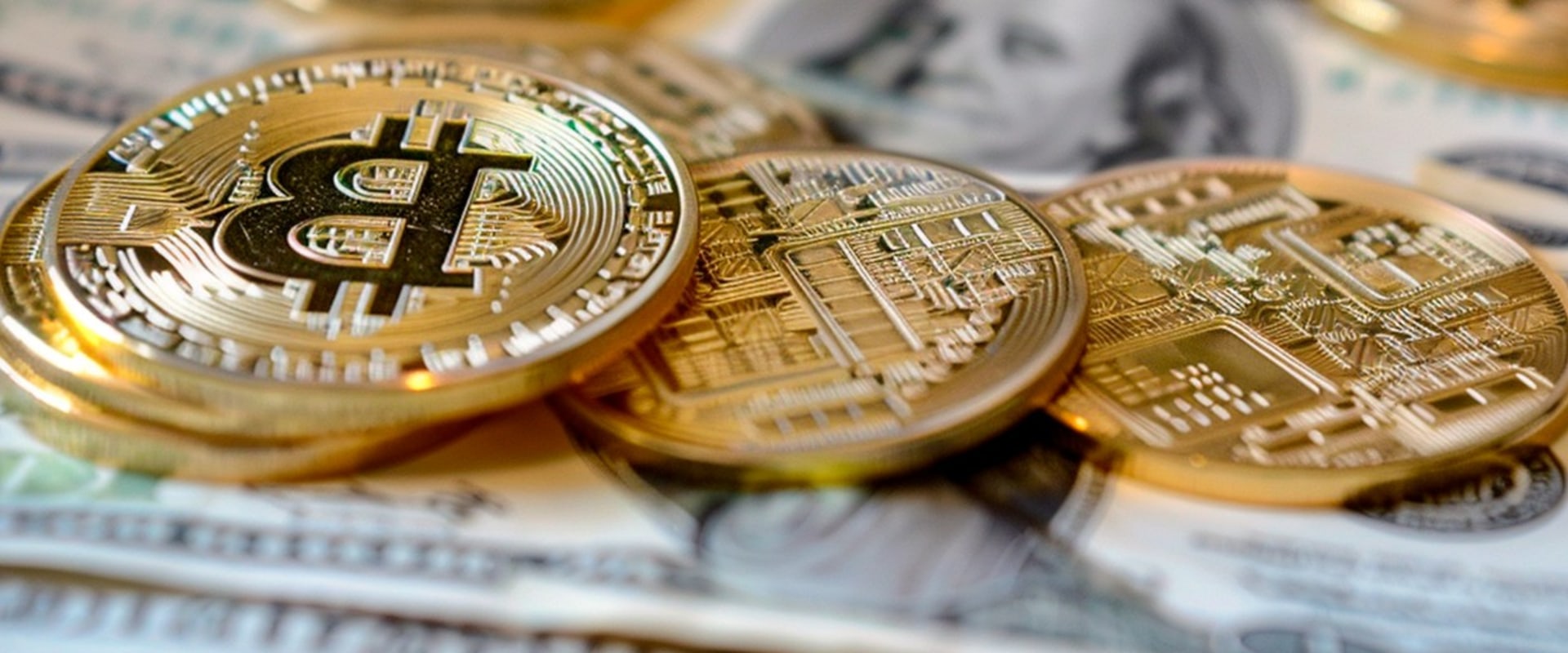
In recent years, the rise of Bitcoin has transformed the financial landscape, making it a significant player in both investment and transactional arenas. As a decentralized digital currency, Bitcoin offers unique advantages over traditional fiat currencies, such as lower transaction fees and the ability to operate without intermediaries. However, as more individuals and businesses adopt Bitcoin, the need to convert this cryptocurrency into fiat currency has become increasingly relevant. Whether you are looking to cash out your profits or simply need to use your Bitcoin for everyday expenses, understanding how to sell Bitcoin for fiat is essential. The process of has transformed the financial landscape, making it a significant player in both investment and transactional arenas. As a decentralized digital currency, Bitcoin offers unique advantages over traditional fiat currencies, such as lower transaction fees and the ability to operate without intermediaries. However, as more individuals and businesses adopt Bitcoin, the need to convert this cryptocurrency into fiat currency has become increasingly relevant. Whether you are looking to cash out your profits or simply need to use your Bitcoin for everyday expenses, understanding how to sell Bitcoin for fiat is essential. The process of selling Bitcoin can seem complex at first glance, especially for those who are new to the world of cryptocurrency. has transformed the financial landscape, making it a significant player in both investment and transactional arenas. As a decentralized digital currency, Bitcoin offers unique advantages over traditional fiat currencies, such as lower transaction fees and the ability to operate without intermediaries. However, as more individuals and businesses adopt Bitcoin, the need to convert this cryptocurrency into fiat currency has become increasingly relevant. Whether you are looking to cash out your profits or simply need to use your Bitcoin for everyday expenses, understanding how to sell Bitcoin for fiat is essential. The process of selling Bitcoin can seem complex at first glance, especially for those who are new to the world of cryptocurrency.
With various platforms and methods available, it is crucial to navigate this landscape carefully to ensure a smooth transaction. Cryptocurrency exchanges serve as the primary venues for converting Bitcoin into fiat currency, but not all exchanges are created equal. Factors such as security, fees, and user experience can significantly impact your selling experience. As you embark on your journey to sell Bitcoin for fiat currency, it is important to stay informed about market trends and best practices. This guide aims to equip you with the knowledge needed to make informed decisions when selling your Bitcoin.
From understanding the different types of exchanges to exploring the various selling methods available, we will cover everything you need to know to maximize your profits while minimizing risks. By the end of this guide, you will be well-prepared to navigate the exciting world of cryptocurrency sales.
Understanding Bitcoin and Its Value
Bitcoin
is a revolutionary form of digital currency that emerged in 2009, created by an anonymous individual or group under the pseudonym Satoshi Nakamoto. Unlike traditional currencies, Bitcoin operates on a decentralized network, meaning it is not governed by any central authority or institution. This decentralization is one of the key features that sets Bitcoin apart from conventional fiat currencies. At its core, Bitcoin is built on a technology called blockchain , which is a public ledger that records all transactions made with the currency.
Each transaction is grouped into blocks, which are then linked together in chronological order, creating a secure and transparent record. This technology not only ensures the integrity of transactions but also allows users to verify their authenticity without needing a third party. The value of Bitcoin is influenced by several factors:
- Supply and Demand: The total supply of Bitcoin is capped at 21 million coins, which creates scarcity. As demand increases, so does its price.
- Market Sentiment: News events, regulatory changes, and technological advancements can significantly impact investor sentiment and, consequently, Bitcoin's value.
- Adoption Rates: The more businesses and individuals that accept Bitcoin as a form of payment, the higher its perceived value becomes.
- Competition: The emergence of alternative cryptocurrencies can affect Bitcoin's market dominance and influence its price.
As you navigate the world of cryptocurrency, staying updated on market trends and developments will empower you to engage with this dynamic financial landscape effectively.
The Importance of a Secure Wallet
When it comes to managing your Bitcoin, the choice of wallet is crucial. A secure wallet not only protects your digital assets but also ensures that you can access them when you decide to sell. There are several types of Bitcoin wallets, each with its own advantages and security features.Types of Bitcoin Wallets
-
Hardware Wallets: These are physical devices designed to securely store your Bitcoin offline. Hardware wallets, such as the Ledger Nano S or Trezor, are considered one of the safest options because they keep your private keys away from internet threats.
They are ideal for long-term storage and can be easily connected to a computer when you need to make a transaction.
- Software Wallets: These wallets are applications that can be installed on your computer or smartphone. They come in various forms, including desktop wallets (like Electrum) and mobile wallets (like Mycelium). While software wallets offer convenience and ease of use, they are more vulnerable to malware and hacking attempts compared to hardware wallets.
-
Web Wallets: Accessible through web browsers, these wallets allow you to manage your Bitcoin from anywhere with an internet connection. However, they are often hosted by third-party services, which means you must trust the provider's security measures.
Examples include Coinbase and Blockchain.info. While convenient, web wallets can be susceptible to phishing attacks.
- Enable Two-Factor Authentication (2FA): This adds an extra layer of security by requiring a second form of verification when accessing your wallet.
- Keep Your Software Updated: Regular updates help protect against vulnerabilities that could be exploited by hackers.
- Use Strong Passwords: Create complex passwords that combine letters, numbers, and symbols. Avoid using easily guessable information.
- Backup Your Wallet: Regularly back up your wallet data to prevent loss in case of device failure or theft.
By understanding the different types of wallets available and implementing robust security measures, you can safeguard your Bitcoin until you're ready to sell it for fiat currency.
Choosing the Right Exchange for Selling Bitcoin
When it comes to selling Bitcoin, choosing the right exchange is crucial for ensuring a smooth and secure transaction. With numerous platforms available, it can be overwhelming to determine which one best suits your needs. Here are some key factors to consider when selecting a cryptocurrency exchange for selling your Bitcoin.1.Reputation and Trustworthiness
- Before committing to an exchange, research its reputation within the cryptocurrency community. Look for reviews and feedback from other users to gauge their experiences.
- Check if the exchange has faced any security breaches in the past and how they handled those incidents.
- Regulatory compliance is also important; ensure that the exchange operates legally in your jurisdiction.
2.Security Measures
- Security should be a top priority when choosing an exchange.
Look for platforms that offer two-factor authentication (2FA), cold storage for funds, and encryption protocols.
- Exchanges that have insurance policies in place to protect user funds in case of a breach can provide additional peace of mind.
3.Fees and Charges
- Different exchanges have varying fee structures, which can significantly impact your profits when selling Bitcoin. Common fees include trading fees, withdrawal fees, and deposit fees.
- Compare the fee schedules of multiple exchanges to find one that offers competitive rates without compromising on security or service quality.
4.User Experience
- The user interface of an exchange can greatly affect your trading experience. Choose a platform that is intuitive and easy to navigate, especially if you are new to cryptocurrency trading.
- Consider whether the exchange offers a mobile app for trading on the go, as this can enhance convenience.
5.Supported Payment Methods
- Ensure that the exchange supports your preferred payment method for cashing out your Bitcoin. Common options include bank transfers, credit/debit cards, and even PayPal.
- Some exchanges may offer faster withdrawal times depending on the payment method used, so factor this into your decision-making process.
6.Customer Support
- A responsive customer support team can be invaluable, especially if you encounter issues during the selling process. A responsive customer support team can be invaluable, especially if you encounter issues during the selling process.
Look for exchanges that offer multiple support channels such as live chat, email, and phone support.
- Check if they have a comprehensive FAQ section or knowledge base to help you troubleshoot common problems independently.
Step-by-Step Guide to Selling Bitcoin for Fiat Currency
When it comes to selling Bitcoin for fiat currency, having a clear and structured approach can make the process much easier and more efficient. Below is a detailed step-by-step guide to help you navigate through the selling process.-
Choose a Reliable Exchange: The first step in selling your Bitcoin is to select a reputable cryptocurrency exchange. Look for platforms that have a strong track record, good user reviews, and robust security measures. Popular exchanges include Coinbase, Binance, and Kraken.
Ensure that the exchange supports your local fiat currency.
- Create an Account: Once you’ve chosen an exchange, you’ll need to create an account. This typically involves providing your email address, creating a password, and verifying your identity by submitting identification documents. This step is crucial for compliance with regulations and helps protect against fraud.
-
Deposit Your Bitcoin: After your account is set up and verified, you will need to deposit your Bitcoin into the exchange. Navigate to the wallet section of the platform, find your Bitcoin wallet address, and transfer your Bitcoin from your personal wallet or another exchange.
Make sure to double-check the wallet address to avoid any loss of funds.
- Select the Selling Option: Once your Bitcoin is deposited, go to the trading section of the exchange. Here, you can choose how you want to sell your Bitcoin. You can opt for a market order (selling at the current market price) or a limit order (setting a specific price at which you want to sell). Market orders are executed immediately, while limit orders may take longer depending on market conditions.
-
Confirm the Transaction: After selecting your selling option, review the details of your transaction carefully.
Check the amount of Bitcoin you are selling, the expected fiat amount you will receive, and any fees associated with the transaction. Once everything looks good, confirm the sale.
-
Withdraw Your Fiat Currency: After successfully selling your Bitcoin, you will have fiat currency in your exchange account. To access these funds, navigate to the withdrawal section of the platform. Choose your preferred withdrawal method (bank transfer, PayPal, etc.) and enter the necessary details.
Be aware that withdrawal times can vary based on the method chosen.
Tips for a Smooth Transaction:
- Stay Informed: Keep an eye on market trends and prices before selling to maximize your profits.
- Be Aware of Fees: Different exchanges have varying fee structures; ensure you understand these before proceeding with a sale.
- Use Two-Factor Authentication: Enhance security by enabling two-factor authentication on your exchange account.
Understanding Fees and Taxes When Selling Bitcoin
When it comes to selling Bitcoin, understanding the associated fees and tax implications is crucial for maximizing your profits. This section will delve into the various fees you may encounter during the selling process and the tax responsibilities that come with capital gains from cryptocurrency transactions.Bitcoin Selling Fees
Fees can vary significantly depending on the platform you choose to sell your Bitcoin. Here are some common types of fees you might encounter:-
Transaction Fees: Most exchanges charge a fee for processing transactions. This fee can be a flat rate or a percentage of the transaction amount.
It's essential to check the fee structure of your chosen exchange before proceeding.
- Withdrawal Fees: After selling your Bitcoin, you may want to withdraw your fiat currency to your bank account. Many exchanges impose withdrawal fees, which can vary based on the method of withdrawal (e.g., bank transfer, PayPal).
- Network Fees: When you sell Bitcoin, it must be transferred on the blockchain, which incurs network fees. These fees are paid to miners who validate transactions and can fluctuate based on network congestion.
Understanding Crypto Taxes
The tax implications of selling Bitcoin can be complex, as they depend on various factors such as your country of residence and how long you've held the asset. Here are some key points to consider:-
Capital Gains Tax: In many jurisdictions, selling Bitcoin is considered a taxable event.
If you sell your Bitcoin for more than you paid for it, you may owe capital gains tax on the profit. The rate can vary based on whether it's classified as short-term or long-term capital gains.
- Record Keeping: It's vital to maintain accurate records of all your Bitcoin transactions, including purchase prices, sale prices, and dates. This information will be necessary for calculating your capital gains when filing taxes.
- Deductions: In some cases, you may be able to deduct losses from your Bitcoin sales against other capital gains or even ordinary income, depending on local tax laws.
Common Mistakes to Avoid When Selling Bitcoin
When it comes to selling Bitcoin, many individuals make mistakes that can lead to financial losses or missed opportunities.Understanding these common pitfalls is essential for anyone looking to cash out their digital assets successfully. Here are some of the most frequent mistakes to avoid:
- Neglecting Research: One of the biggest errors is failing to research the current market conditions. Prices can fluctuate dramatically, and selling at the wrong time can result in significant losses. Always check the latest trends and news related to Bitcoin before making a sale.
-
Using Unreliable Exchanges: Not all cryptocurrency exchanges are created equal.
Some may have poor security measures or high fees. It’s crucial to choose a reputable exchange with a solid track record. Look for user reviews and ensure that the platform has robust security protocols in place.
-
Ignoring Fees: Many sellers overlook transaction fees associated with selling Bitcoin. These fees can vary significantly between exchanges and can eat into your profits.
Always factor in these costs when calculating your potential earnings from a sale.
- Not Verifying Transactions: After selling your Bitcoin, it’s vital to confirm that the transaction has been completed successfully. Failing to do so can lead to complications, such as not receiving your fiat currency or encountering issues with your exchange account.
- Falling for Scams: The cryptocurrency space is rife with scams, from phishing attempts to fake exchanges. Always be cautious about unsolicited offers and double-check URLs before entering sensitive information. Use two-factor authentication (2FA) wherever possible to enhance your account security.
-
Panic Selling: Emotional decision-making can lead to panic selling, especially during market downturns.
It’s essential to have a clear strategy and stick to it, rather than reacting impulsively to market fluctuations.
Alternative Methods for Selling Bitcoin
While traditional exchanges are the most common way to sell Bitcoin, there are several alternative methods that can offer unique advantages. These methods often provide greater flexibility, privacy, and sometimes even better rates. Below, we explore some of the most popular alternative methods for selling Bitcoin.Peer-to-Peer Bitcoin Selling
Peer-to-peer (P2P) selling allows individuals to trade Bitcoin directly with one another without the need for an intermediary.This method can be particularly appealing for those who value privacy and want to avoid the fees associated with exchanges.
- Platforms: Several platforms facilitate P2P transactions, such as LocalBitcoins, Paxful, and Bisq. These platforms connect buyers and sellers, allowing them to negotiate terms directly.
- Payment Methods: P2P platforms often support a variety of payment methods, including bank transfers, PayPal, cash transactions, and even gift cards. This flexibility can make it easier to find a buyer who is willing to pay your desired price.
- Escrow Services: Most reputable P2P platforms use escrow services to protect both parties during the transaction. The Bitcoin is held in escrow until the payment is confirmed, reducing the risk of fraud.
Using LocalBitcoins
LocalBitcoins is one of the most well-known P2P platforms for buying and selling Bitcoin.It allows users to create listings for their Bitcoin at a price they choose and specify their preferred payment methods.
- User Ratings: LocalBitcoins features a rating system that helps users assess the reliability of potential trading partners. Always check ratings and reviews before proceeding with a transaction.
- Local Transactions: This platform is particularly useful for local transactions, where buyers and sellers can meet in person to exchange Bitcoin for cash. This method can be advantageous for those who prefer face-to-face interactions.
Alternative Exchanges
If you’re looking for alternatives to mainstream exchanges, consider exploring smaller or decentralized exchanges. These platforms may offer lower fees or unique trading options.-
Decentralized Exchanges (DEXs): DEXs like Uniswap or SushiSwap allow users to trade cryptocurrencies directly from their wallets without relying on a central authority.
While they primarily focus on token swaps, some DEXs also support Bitcoin trading.
- Niche Exchanges: Some exchanges cater specifically to certain regions or types of transactions. Researching these niche platforms can uncover opportunities that larger exchanges may not provide.
The Future of Bitcoin and Fiat Currency Transactions
The landscape of Bitcoin and fiat currency transactions is rapidly evolving, influenced by technological advancements, regulatory changes, and shifting consumer behaviors. As we look to the future, several key trends are emerging that could significantly impact how Bitcoin is sold and utilized in conjunction with traditional currencies.Increased Adoption of Digital Currencies
One of the most notable trends is the growing acceptance of digital currencies by mainstream financial institutions and businesses.Major companies are beginning to integrate Bitcoin into their payment systems, allowing customers to transact using cryptocurrency. This shift not only legitimizes Bitcoin but also encourages more individuals to consider it as a viable alternative to fiat currency.
Regulatory Developments
As the popularity of Bitcoin continues to rise, governments around the world are grappling with how to regulate this new asset class. Future regulations could have profound implications for how Bitcoin is sold for fiat currency. For instance, clearer guidelines may enhance consumer protection and reduce fraud, making it easier for individuals to sell their Bitcoin confidently.Conversely, overly stringent regulations could stifle innovation and limit access to cryptocurrency markets.
Technological Innovations
The advancement of blockchain technology is another critical factor shaping the future of Bitcoin transactions. Innovations such as the Lightning Network aim to facilitate faster and cheaper transactions, making it more practical for everyday use. As these technologies mature, they could streamline the process of converting Bitcoin into fiat currency, enhancing liquidity and accessibility. The advancement of blockchain technology is another critical factor shaping the future of Bitcoin transactions. Innovations such as the Lightning Network aim to facilitate faster and cheaper transactions, making it more practical for everyday use. As these technologies mature, they could streamline the process of converting Bitcoin into fiat currency, enhancing liquidity and accessibility.Integration with Financial Services
Financial services are increasingly incorporating cryptocurrency into their offerings. For example, some banks are now providing custodial services for digital assets, while others are exploring ways to offer crypto-backed loans.This integration could simplify the process of selling Bitcoin for fiat currency by providing users with more options and greater convenience.
Consumer Education and Awareness
As more people become aware of Bitcoin and its potential benefits, consumer education will play a crucial role in shaping future transactions. Increased understanding of how to buy, sell, and use Bitcoin can empower individuals to make informed decisions about their investments. Educational initiatives from both private companies and public institutions can help demystify cryptocurrency and encourage broader adoption. In conclusion, the future of selling Bitcoin for fiat currency is poised for transformation driven by increased adoption, regulatory clarity, technological advancements, integration with financial services, and enhanced consumer education. Staying informed about these trends will be essential for anyone looking to navigate the evolving landscape of cryptocurrency transactions.Conclusion: Key Takeaways on Selling Bitcoin for Fiat Currency
As we conclude our comprehensive guide on selling Bitcoin for fiat currency, it is essential to reflect on the key takeaways that can empower you in your cryptocurrency journey.Understanding these points will not only enhance your selling experience but also help you navigate the complexities of the digital currency market with confidence.
- Know Your Bitcoin: Before selling, ensure you have a solid understanding of what Bitcoin is and how it operates. Familiarize yourself with its decentralized nature, the role of blockchain technology, and the implications of market fluctuations on its value.
- Choose the Right Wallet: Selecting a secure wallet is crucial for storing your Bitcoin safely. Whether you opt for a hardware wallet, software wallet, or an online wallet, prioritize security features and ease of access to ensure your assets are protected.
- Select a Reputable Exchange: When it comes time to sell your Bitcoin, choose a trustworthy exchange that offers competitive fees and robust security measures. Research user reviews and regulatory compliance to avoid potential scams.
-
Understand the Selling Process: Selling Bitcoin involves converting your digital assets into fiat currency through an exchange.
Familiarize yourself with the steps involved, including account verification, transaction fees, and withdrawal processes to ensure a smooth transaction.
- Stay Informed: The cryptocurrency landscape is constantly evolving. Keep yourself updated on market trends, regulatory changes, and technological advancements that could impact your selling strategy.
- Be Cautious of Scams: As with any financial transaction, be vigilant against scams and fraudulent schemes. Always verify the legitimacy of platforms and offers before proceeding with any transactions.
Remember that informed decisions are key to navigating the world of cryptocurrency successfully.