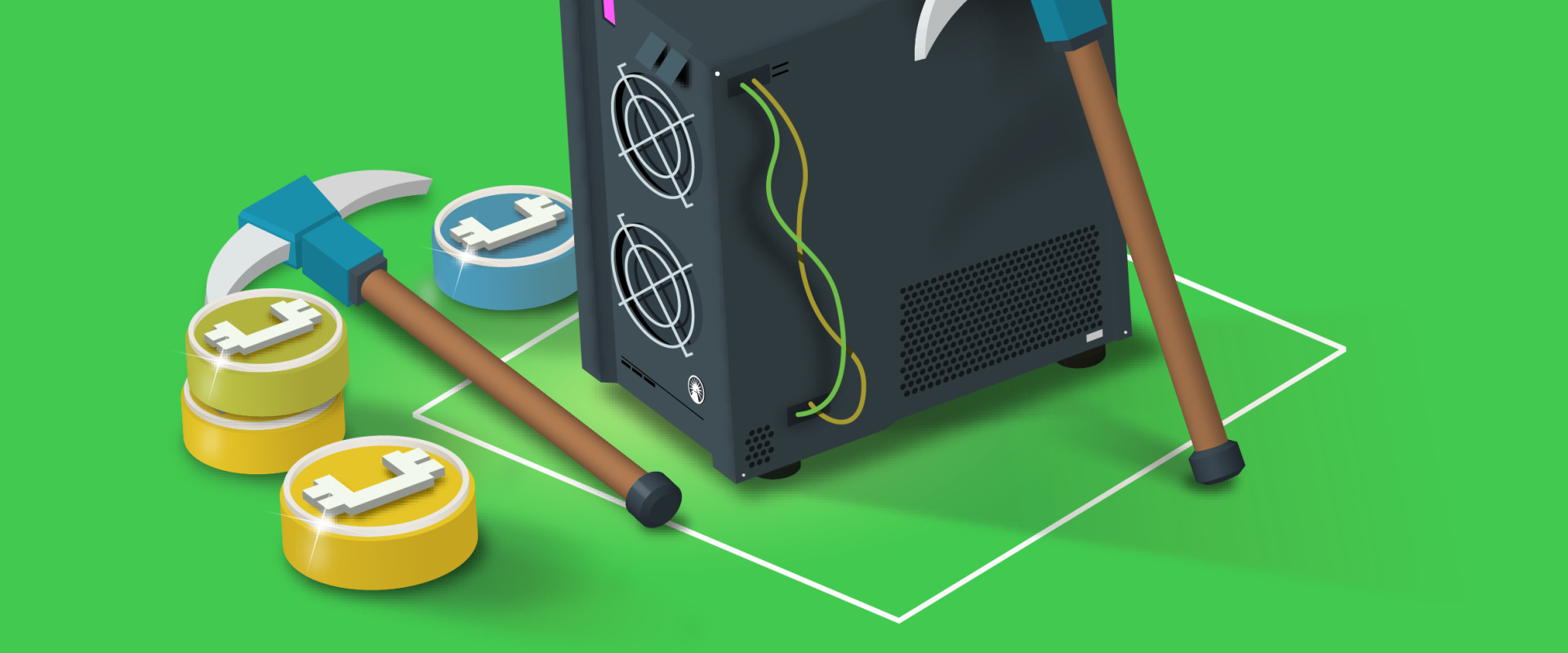
Bitcoin mining is a fundamental process that underpins the entire Bitcoin network, serving as both a method for transaction verification and a means of introducing new bitcoins into circulation. At its core, bitcoin mining involves the use of powerful computers, often requiring significant cooling solutions like an air conditioner, to solve complex mathematical problems, which in turn validates transactions and secures the blockchain. This decentralized approach not only ensures the integrity of the Bitcoin network but also fosters trust among users, as each transaction is verified by multiple miners before being permanently recorded on the blockchain. The significance of bitcoin mining extends beyond mere transaction validation; it plays a crucial role in maintaining the overall health and security of the cryptocurrency ecosystem. As miners compete to solve these mathematical puzzles, they contribute to a process known as proof-of-work, which deters malicious activities such as double-spending and fraud. involves the use of powerful computers, often requiring significant cooling solutions like an air conditioner, to solve complex mathematical problems, which in turn validates transactions and secures the blockchain. This decentralized approach not only ensures the integrity of the Bitcoin network but also fosters trust among users, as each transaction is verified by multiple miners before being permanently recorded on the blockchain. The significance of bitcoin mining extends beyond mere transaction validation; it plays a crucial role in maintaining the overall health and security of the cryptocurrency ecosystem. As miners compete to solve these mathematical puzzles, they contribute to a process known as proof-of-work, which deters malicious activities such as double-spending and fraud.
This competitive environment ensures that no single entity can dominate the network, thereby promoting decentralization—a core principle of cryptocurrencies. Moreover, bitcoin mining is essential for the issuance of new bitcoins. Miners are rewarded with newly created bitcoins for their efforts in validating transactions and adding them to the blockchain. This reward system not only incentivizes miners to continue their work but also regulates the supply of bitcoins, making it a deflationary currency over time. As more miners join the network, the difficulty of mining increases, ensuring that new bitcoins are introduced at a controlled rate. In summary, understanding bitcoin mining is crucial for anyone interested in the world of cryptocurrencies.
It is not just about generating new coins; it is about securing transactions, maintaining decentralization, and ensuring the integrity of the entire Bitcoin network. As we delve deeper into this topic, we will explore how bitcoin mining works in detail and discuss its broader implications for the future of digital currencies.
What is Bitcoin Mining?
Bitcoin mining is a fundamental process that underpins the entire Bitcoin network. At its core, Bitcoin mining refers to the method by which new bitcoins are created and transactions are verified on the blockchain. This process is essential for maintaining the integrity and security of the Bitcoin ecosystem. To understand Bitcoin mining, it is important to grasp how it operates.Miners utilize powerful computers to solve complex mathematical problems, known as hash functions. These problems are part of a cryptographic puzzle that miners must solve in order to add a new block of transactions to the blockchain. Each time a miner successfully solves a problem, they validate a block of transactions and are rewarded with newly minted bitcoins, along with transaction fees from the users who initiated those transactions. The process begins when a user initiates a transaction. This transaction is broadcasted to the Bitcoin network, where it awaits confirmation.
Miners then collect these pending transactions and group them into a block. The miner's goal is to find a hash that meets specific criteria set by the Bitcoin protocol, which involves adjusting a variable called nonce. This trial-and-error process requires significant computational power and energy. Once a miner finds the correct hash, they broadcast their solution to the network. Other miners and nodes verify this solution, ensuring that it is valid and that the transactions within the block are legitimate.
If confirmed, the new block is added to the blockchain, and the miner receives their reward. This not only introduces new bitcoins into circulation but also secures the network against fraud and double-spending. In summary, Bitcoin mining is not just about creating new coins; it plays a crucial role in maintaining the decentralized nature of Bitcoin. By requiring miners to validate transactions through computational work, it ensures that no single entity can control or manipulate the network. Understanding this process is vital for anyone looking to delve deeper into the world of Bitcoin and cryptocurrency.
The Process of Bitcoin Mining
Bitcoin mining is a complex yet fascinating process that involves several key steps to ensure the integrity and security of the Bitcoin network.Understanding how this process works is essential for anyone interested in the world of cryptocurrencies.
1.Transaction Verification
The first step in the Bitcoin mining process is transaction verification. When users send Bitcoin to one another, these transactions are broadcasted to the network. Miners collect these transactions into a pool known as the mempool. Each transaction contains important information, such as the sender's and receiver's wallet addresses and the amount being transferred.
Miners then verify these transactions by checking if the sender has sufficient funds and if the transaction adheres to the network's rules.
This verification process is crucial because it prevents issues like double-spending, where a user attempts to spend the same Bitcoin more than once.
2.Creating a Block
Once transactions are verified, miners group them into a block. Each block contains a list of verified transactions, a reference to the previous block (known as the parent block), and a unique identifier called a hash. This hash is generated through a cryptographic function that takes into account all the data in the block, ensuring that any changes to the block would result in a completely different hash.
3.Solving the Cryptographic Puzzle
The next step involves miners competing to solve a complex mathematical problem known as a proof of work. This problem requires significant computational power and energy, as miners must find a hash that meets specific criteria set by the Bitcoin protocol.
The difficulty of this puzzle adjusts approximately every two weeks to ensure that new blocks are added to the blockchain roughly every ten minutes.
When a miner successfully solves this puzzle, they broadcast their solution to the network along with their newly created block. Other miners and nodes on the network then verify this solution and check that all transactions within the block are valid.
4.Adding the Block to the Blockchain
If the solution is verified, the new block is added to the existing blockchain, creating an immutable record of all transactions. This addition not only secures the transactions but also rewards the miner with newly minted bitcoins and transaction fees from all transactions included in that block.
5.Repeat
The process then repeats itself as miners continue to verify new transactions and create new blocks. This ongoing cycle is what keeps the Bitcoin network secure and operational, ensuring that all transactions are recorded accurately and transparently.
In summary, Bitcoin mining involves verifying transactions, creating blocks, solving cryptographic puzzles, and adding those blocks to a decentralized ledger known as the blockchain.
Each step plays a vital role in maintaining the integrity and security of Bitcoin as a digital currency.
The Role of Miners in the Bitcoin Network
Miners are the backbone of the Bitcoin network, playing a vital role in ensuring its integrity, security, and overall functionality. Their contributions extend beyond merely generating new bitcoins; they are essential for maintaining the decentralized nature of the network.Verification of Transactions
One of the primary responsibilities of miners is to verify transactions. When a user initiates a transaction, it is broadcasted to the network. Miners collect these transactions into a block and then compete to solve a complex mathematical problem known as a proof-of-work.
This process not only confirms the legitimacy of the transactions but also prevents double-spending, where a user attempts to spend the same bitcoin more than once.
Adding Blocks to the Blockchain
Once a miner successfully solves the proof-of-work problem, they add their block to the blockchain, which is a public ledger that records all Bitcoin transactions. This addition is crucial because it ensures that all transactions are permanently recorded and cannot be altered or deleted. Each block contains a cryptographic hash of the previous block, linking them together and creating an immutable chain.
Incentives for Miners
Miners are incentivized to participate in this process through rewards. When they successfully mine a block, they receive a fixed number of newly created bitcoins, known as the block reward, along with any transaction fees associated with the transactions included in that block.
This dual incentive structure encourages miners to continue supporting the network and contributes to its security.
Decentralization and Security
The decentralized nature of Bitcoin is largely attributed to its mining process. By distributing the responsibility of transaction verification across numerous miners worldwide, Bitcoin reduces the risk of centralization and manipulation. If one entity were to control a significant portion of mining power, it could potentially compromise the network's integrity. However, with thousands of miners competing globally, this risk is minimized.
Conclusion
In summary, miners play an indispensable role in the Bitcoin network by verifying transactions, adding blocks to the blockchain, and maintaining decentralization.
Their efforts not only secure the network but also ensure that Bitcoin remains a reliable and trustworthy digital currency. Understanding their role is crucial for anyone looking to grasp how Bitcoin operates and thrives in today's digital economy.
Mining Rewards: How Miners Earn Bitcoin
In the world of Bitcoin mining, miners are not just participants; they are essential players who contribute to the network's security and functionality. Their efforts are rewarded through two primary mechanisms: block rewards and transaction fees. Understanding these rewards is crucial for anyone interested in the economic aspects of Bitcoin mining.Block Rewards
When a miner successfully solves a complex mathematical problem, they create a new block that is added to the blockchain.
This process is known as proof of work. As a reward for their computational efforts, the miner receives a fixed amount of newly minted Bitcoin. This reward is known as the block reward . The current block reward for Bitcoin is 6.25 BTC, a figure that was halved from 12.5 BTC during the last halving event in May 2020. This halving occurs approximately every four years and serves to control the supply of Bitcoin, making it a deflationary asset over time.
As more blocks are mined, the total supply of Bitcoin approaches its capped limit of 21 million coins, which adds to its scarcity and potential value.
Transaction Fees
In addition to block rewards, miners also earn transaction fees. Every time a user initiates a transaction on the Bitcoin network, they can include a fee that incentivizes miners to prioritize their transaction over others. These fees vary based on network congestion; during peak times, users may opt to pay higher fees to ensure faster processing.
Transaction fees are particularly important as they provide an additional revenue stream for miners, especially as block rewards decrease over time due to halving events. As the Bitcoin network matures and more users engage in transactions, these fees can become a significant source of income for miners.
The Economic Impact of Mining Rewards
The combination of block rewards and transaction fees creates an economic model that incentivizes miners to continue their operations.
This model not only secures the network but also encourages decentralization by allowing anyone with the necessary hardware and software to participate in mining. As Bitcoin continues to gain popularity and adoption, understanding how miners earn their rewards becomes increasingly important. The dynamics of block rewards and transaction fees will play a pivotal role in shaping the future of Bitcoin mining and its overall ecosystem.
Types of Bitcoin Mining: A Comparative Overview
When it comes to Bitcoin mining, there are several methods available, each with its own advantages and disadvantages. Understanding these different types can help you make an informed decision about which method best suits your needs and resources. Below, we explore the most common types of Bitcoin mining: ASIC mining, GPU mining, and cloud mining.ASIC Mining
Application-Specific Integrated Circuit (ASIC) mining is currently the most popular and efficient method for mining Bitcoin.ASIC miners are specialized hardware designed specifically for the purpose of mining cryptocurrencies. Here are some key points about ASIC mining:
- Efficiency: ASIC miners are highly efficient, offering significantly higher hash rates compared to other methods. This means they can solve complex mathematical problems faster, leading to more successful mining attempts.
- Cost: While the initial investment for ASIC miners can be high, their efficiency often leads to better long-term profitability.
- Heat and Noise: ASIC miners generate a lot of heat and noise, which may not be suitable for residential environments.
GPU Mining
Graphics Processing Unit (GPU) mining utilizes standard graphics cards to mine Bitcoin and other cryptocurrencies. Although less efficient than ASIC miners, GPU mining has its own set of advantages:-
Flexibility: GPUs can mine various cryptocurrencies, not just Bitcoin.
This allows miners to switch between coins based on profitability.
- Availability: GPUs are more readily available than ASIC miners, making it easier for beginners to start mining.
- Community Support: There is a large community of GPU miners, providing ample resources and support for newcomers.
Cloud Mining
Cloud mining allows individuals to mine Bitcoin without owning any physical hardware. Instead, users rent mining power from a third-party provider. Here are some benefits and drawbacks of cloud mining:- No Hardware Costs: Since you don’t need to purchase or maintain hardware, cloud mining can be a low-cost entry point into Bitcoin mining.
- Convenience: Cloud mining services handle all technical aspects, making it accessible for those who may not have technical expertise.
- Risk of Scams: The cloud mining industry has seen its share of scams. It’s crucial to research providers thoroughly before investing.
Whether you opt for the efficiency of ASIC miners, the flexibility of GPU setups, or the convenience of cloud mining, understanding these options will empower you to choose the best method for your Bitcoin mining journey.
The Environmental Impact of Bitcoin Mining
The rise of Bitcoin has sparked a significant debate regarding its environmental impact. As the popularity of this cryptocurrency continues to grow, so does the concern over the energy consumption associated with its mining process. Bitcoin mining requires substantial computational power, which translates into high energy usage, raising questions about sustainability and the carbon footprint of this digital currency. One of the primary concerns is the sheer amount of electricity consumed by Bitcoin miners. According to various studies, the Bitcoin network consumes more energy annually than some small countries.This energy demand primarily stems from the process of solving complex mathematical problems to validate transactions and secure the network. Miners utilize powerful hardware, often in large-scale operations, which leads to significant electricity consumption. Moreover, the source of this energy plays a crucial role in determining the environmental impact. In many regions, Bitcoin mining operations rely on fossil fuels, particularly coal, which contributes to greenhouse gas emissions. This reliance on non-renewable energy sources raises serious sustainability concerns.
As a result, Bitcoin's carbon footprint has become a focal point in discussions about its viability as a sustainable financial system. In response to these concerns, some miners are exploring alternative energy sources. For instance, renewable energy options such as solar, wind, and hydroelectric power are being utilized in various mining operations. These initiatives aim to reduce the environmental impact and promote a more sustainable approach to cryptocurrency mining. Additionally, there is an ongoing conversation within the cryptocurrency community about improving the efficiency of mining processes. Innovations in technology and shifts towards less energy-intensive consensus mechanisms could potentially mitigate some of the environmental concerns associated with Bitcoin mining. In conclusion, while Bitcoin mining presents significant sustainability challenges , there are ongoing efforts to address these issues through renewable energy adoption and technological advancements.
The future of Bitcoin may depend on finding a balance between its growth and its environmental responsibilities.
Future Trends in Bitcoin Mining
The landscape of Bitcoin mining is continuously evolving, driven by technological advancements, regulatory changes, and shifts in market dynamics. As we look to the future, several key trends are emerging that could significantly impact the way Bitcoin is mined and the overall viability of the cryptocurrency ecosystem.1.Increased Energy Efficiency
One of the most pressing concerns surrounding Bitcoin mining is its energy consumption. As environmental awareness grows, miners are increasingly seeking ways to reduce their carbon footprint. Future trends may include:-
Renewable Energy Sources: Miners are likely to invest in renewable energy solutions such as solar, wind, and hydroelectric power.
This shift not only addresses environmental concerns but can also lead to cost savings in energy expenses.
- Energy-efficient Hardware: The development of more efficient mining hardware will continue to be a priority. Innovations in ASIC (Application-Specific Integrated Circuit) technology could lead to machines that consume less power while delivering higher hash rates.
2.Regulatory Developments
The regulatory landscape for cryptocurrencies is rapidly changing. Governments around the world are beginning to implement regulations that could affect Bitcoin mining operations:- Licensing Requirements: As authorities seek to regulate the industry, miners may face new licensing requirements that could impact operational costs and accessibility.
- Tax Implications: Changes in tax laws related to cryptocurrency mining could influence profitability and investment strategies for miners.
3.Technological Advancements
The future of Bitcoin mining will also be shaped by technological innovations:- Cloud Mining: This model allows individuals to rent mining power from remote data centers, making it easier for newcomers to participate without significant upfront investment in hardware.
- Improved Blockchain Protocols: Upgrades to the Bitcoin protocol itself may enhance transaction speeds and reduce fees, making mining more attractive and efficient.
Frequently Asked Questions about Bitcoin Mining
As interest in Bitcoin continues to grow, many individuals have questions about the intricacies of Bitcoin mining.Below are some of the most frequently asked questions that can help clarify common misconceptions and provide valuable insights into the mining process.
What is Bitcoin mining?
Bitcoin mining is the process by which new bitcoins are created and transactions are verified on the Bitcoin network. Miners use powerful computers to solve complex mathematical problems, which helps secure the network and validate transactions. Once a problem is solved, a new block is added to the blockchain, and miners are rewarded with newly minted bitcoins.How does Bitcoin mining work?
The mining process involves several steps:- Transaction Verification: Miners collect pending transactions from the network and verify their legitimacy.
- Block Creation: Verified transactions are grouped into a block.
- Solving Mathematical Problems: Miners compete to solve a cryptographic puzzle associated with the block. The first miner to solve it gets to add the block to the blockchain.
- Reward Distribution: The successful miner receives a reward in the form of newly created bitcoins and transaction fees from the transactions included in the block.
Is Bitcoin mining profitable?
The profitability of Bitcoin mining depends on several factors, including:- Electricity Costs: Mining requires significant energy, so lower electricity costs can enhance profitability.
- Mining Hardware: The efficiency and power of mining equipment can greatly affect earnings.
- Bitcoin Price: The market price of Bitcoin directly influences potential profits; higher prices can lead to greater rewards.
Do I need special equipment for Bitcoin mining?
Yes, effective Bitcoin mining typically requires specialized hardware known as ASIC (Application-Specific Integrated Circuit) miners.These devices are designed specifically for mining cryptocurrencies and offer significantly higher performance compared to standard computers or GPUs (Graphics Processing Units).
Can I mine Bitcoin on my laptop or home computer?
While it is technically possible to mine Bitcoin using a laptop or home computer, it is generally not profitable due to high competition and low processing power. Most successful miners use dedicated hardware that can handle the intense computational demands of mining.What are the environmental impacts of Bitcoin mining?
The environmental impact of Bitcoin mining has become a topic of concern due to its high energy consumption. Many miners are now exploring renewable energy sources, such as solar or wind power, to mitigate their carbon footprint. Additionally, some initiatives aim to promote sustainable practices within the industry. Understanding these aspects of Bitcoin mining can help demystify the process and provide clarity for those interested in participating in this digital currency ecosystem.Conclusion: The Importance of Understanding Bitcoin Mining
In summary, understanding Bitcoin mining is essential for anyone looking to navigate the complex landscape of cryptocurrency.Throughout this article, we have explored the multifaceted role that mining plays in the Bitcoin ecosystem, highlighting its significance in transaction verification, network security, and the creation of new coins. One of the most critical aspects of Bitcoin mining is its function in maintaining the integrity of the blockchain. By solving intricate mathematical problems, miners validate transactions and add them to the public ledger, ensuring that all activities are transparent and secure. This process not only prevents fraud but also fortifies the network against potential attacks, making it a cornerstone of Bitcoin's decentralized nature. Moreover, mining serves as a mechanism for introducing new bitcoins into circulation. As miners successfully add blocks to the blockchain, they are rewarded with newly minted bitcoins, which incentivizes their participation and investment in the network.
This reward system is vital for sustaining the economic model of Bitcoin and ensuring that it remains a viable alternative to traditional currencies. Additionally, understanding Bitcoin mining is crucial for grasping the broader implications of cryptocurrency on global finance. As digital currencies continue to gain traction, the role of miners becomes increasingly significant in shaping market dynamics and influencing regulatory discussions. By comprehending how mining works, individuals can better appreciate the challenges and opportunities that lie ahead in this rapidly evolving space. In conclusion, Bitcoin mining is not merely a technical process; it is a fundamental component that underpins the entire cryptocurrency ecosystem. By recognizing its importance, individuals can make informed decisions about their investments and participation in this revolutionary financial landscape.
As we move forward into an era where digital currencies are likely to play an even more prominent role in our lives, a solid understanding of Bitcoin mining will be invaluable.